


Understanding Crypto Trading Open Interest
In the vast ocean of cryptocurrency trading, savvy investors and traders are continually on the lookout for indicators that can provide insights into market trends. One such vital indicator is open interest. Open interest in crypto trading refers to the total number of outstanding derivatives contracts, such as futures and options, that have not yet been settled. It plays a significant role in analyzing market dynamics and can influence pricing and trading strategies. To delve deeper into crypto trading open interest, Crypto Trading Open Interest visit website for more resources.
What is Open Interest?
Open interest (OI) is a crucial metric in the derivatives market that indicates the total number of open positions in a particular asset. Unlike trading volume, which reflects the number of contracts traded over a specific period, open interest provides insights into the number of contracts that market participants hold at any given time. In simple terms, it counts all the outstanding contracts that are still open and have not been executed or closed.
The Significance of Open Interest in Crypto Trading
Open interest serves multiple purposes in crypto trading, such as:
- Market Sentiment Analysis: A rise in open interest often signals that new capital is entering the market, indicating bullish sentiment among traders. Conversely, a decline in OI can suggest that traders are closing positions, possibly indicating bearish sentiment.
- Trend Confirmation: When open interest increases while prices are rising, it supports the current trend. If prices fall but OI rises, it might indicate that bearish sentiment is growing, which can help traders adjust their strategies accordingly.
- Liquidity and Volatility Indicators: High open interest can contribute to market liquidity, leading to less price slippage. Additionally, sudden changes in OI can be a precursor to increased volatility in the market.

How to Analyze Open Interest
Investors and traders can analyze open interest in several ways:
1. Track OI Trends
Monitoring how open interest changes over time can provide key insights into market sentiment. Is OI increasing as prices rise? That could signal confidence among traders. If OI decreases as prices fall, traders may be exiting the market.
2. Correlation with Price Trends
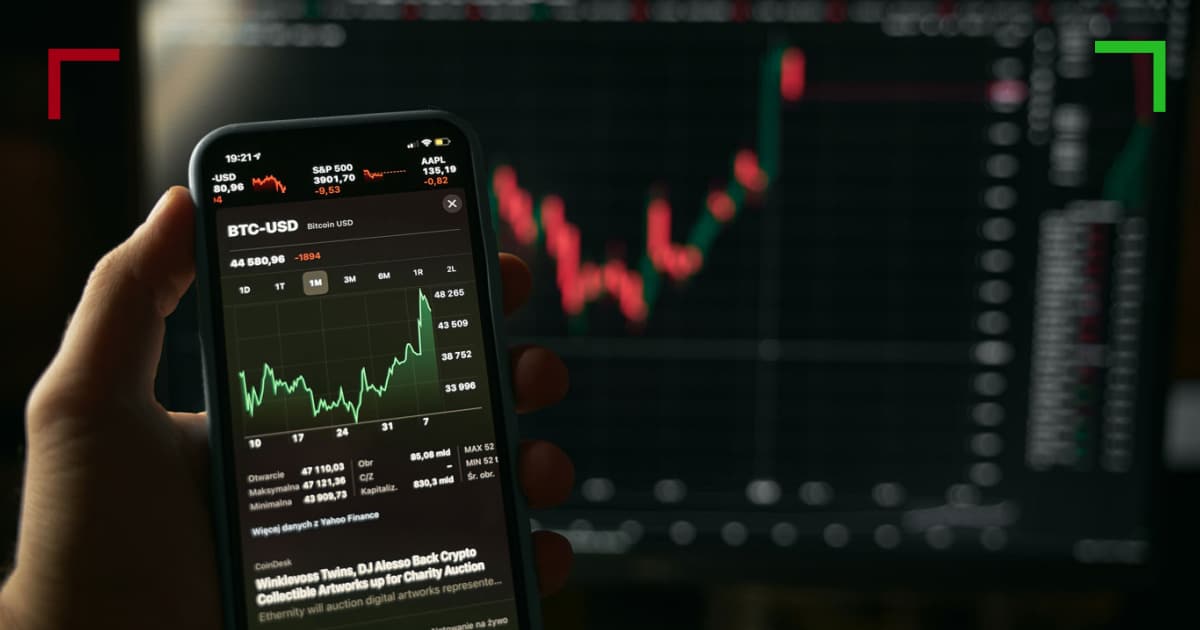
Always examine open interest in conjunction with price movements. Rising prices combined with rising OI confirms the prevailing trend, while falling prices alongside rising OI may indicate that traders are still confident despite market declines.
3. Look for Divergence
Divergence between open interest and price can signal potential reversals. For instance, if prices reach new highs, but open interest is declining, it might suggest that the bullish momentum is losing steam.
The Role of Open Interest in Futures and Options Trading
Open interest is particularly important in the futures and options markets, where traders speculate on price movements. In these markets, OI can help traders identify potential areas of support and resistance. For example:
- High open interest at a particular strike price may indicate futures contracts’ importance, creating resistance or support levels.
- For options traders, significant open interest can reflect market expectations for price changes, helping traders better navigate the complex option strategies.
Impact of Open Interest on Market Psychology
Market psychology plays a pivotal role in how open interest is interpreted. Traders are often influenced by trends, sentiment, and news. For instance, if a major cryptocurrency exchange announces an increase in open interest for a particular coin, this may attract more traders, further driving up prices due to perceived confidence in that asset.
Limitations of Open Interest
While open interest is a powerful tool, it is not infallible. Traders should be aware of its limitations:
- Not a Standalone Indicator: Open interest should not be used in isolation. It should always be analyzed in conjunction with other indicators, such as volume and price trends for a holistic view.
- Market Manipulation Risks: In a relatively immature market like crypto, prices and open interest can be influenced by market manipulation tactics, such as «wash trading,» where traders buy and sell contracts to create a false impression of activity.
- Complex Interactions: The relationship between price and open interest can be influenced by factors like liquidity, volatility, and overall market conditions, making it challenging to draw consistent conclusions.
Conclusion
Open interest is a fundamental component of crypto trading that can provide sharp insights into market dynamics and traders’ sentiment. Understanding how to analyze OI can significantly enhance a trader’s strategy, giving them a clearer picture of the crypto landscape. As with any trading tool, exercising caution and using open interest in conjunction with other indicators will lead to more informed trading decisions.
Ultimately, mastering the nuances of open interest, alongside a robust trading strategy, can help traders navigate the volatile waters of cryptocurrency trading with greater confidence. As the market continues to evolve, staying informed and adaptable becomes increasingly crucial for success.


