


Bookkeeping and accounting are ways of measuring, recording, and communicating a firm’s financial information. A business transaction is an economic event that is recorded for accounting/bookkeeping purposes. In general terms, it is a business interaction between economic entities, such as customers and businesses or vendors and businesses.

Income statement

Here is the equation with examples of how debits and credit affect all of the accounts. The preparation of journal entries through the double entry bookkeeping method, along with the other steps in the accounting cycle, results in a more systematic accounting double-entry accounting has two equal sides system. You will learn about journal entries in detail, including how to prepare them, and the rest of the steps in the accounting process in later lessons. Double entry bookkeeping can also help businesses to manage their inventory effectively.
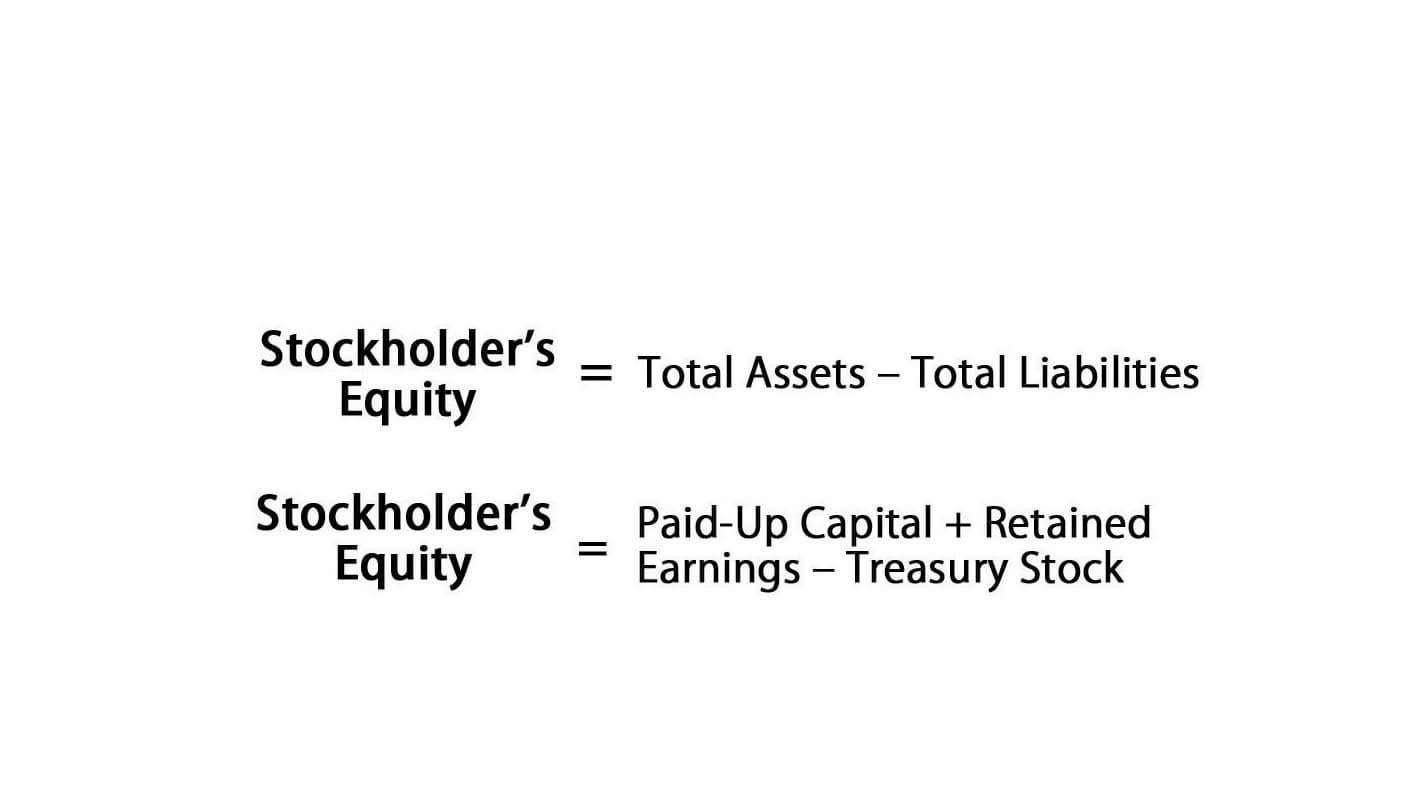
Capital Accounts
The scandal came to light in 2001 when Enron filed for bankruptcy, revealing that the company’s financial health was far worse than it had been portraying. The fallout from the scandal was severe, resulting in the dissolution of the company, massive financial losses for investors, and the loss of thousands of jobs. The scandal also led to a loss of trust in corporate governance, auditors, and financial reporting practices. Accounting stands as the backbone of every business and financial activity, serving as the language of commerce that enables organizations to convey their financial health, performance, and prospects.

When to Debit, when to Credit?
This simple transaction has two effects from the perspective of both, the buyer as well as the seller. The buyer’s cash balance would decrease by the amount of the cost of purchase while on the other hand he will acquire a bottle of drink. Conversely, the seller will be one drink short though his cash balance would increase by the price of the drink. Workflow automation is a set of activities that are put into place to establish a work process, with the objective of increasing efficiency and reducing errors. Accurate financial reporting is critical in accounting as a successful business depends on it. When you debit a stockholders’ equity account, you increase its balance; when you credit a stockholders’ equity account, you decrease its balance.

- It also makes spotting errors easier, because if debits and credits do not match, then something is wrong.
- This step helps you catch errors early and keeps your financial reports trustworthy.
- However, it may not provide the level of detail and accuracy needed for more in-depth financial analysis.
- This method allows for enhanced accuracy, prevention of fraud, and a clear picture of a company’s financial health.
- While single-entry may be more accessible for small-scale operations, double-entry provides the essential checks and balances needed for complex accounting.
There is no limit to the contribution margin maximum number of accounts under double-entry accounting. In general, the requirement for double-entry accounting is not specifically mandated by law in most jurisdictions. Single-entry bookkeeping is a simple and less formal bookkeeping method commonly used by small businesses or individuals with relatively straightforward financial operations. In this method, each financial transaction is recorded only once, typically in a single column or register. Single-entry and double-entry accounting are two different methods used in bookkeeping to record financial transactions. The DEAD rule is a simple mnemonic that helps us easily remember that we should always Debit Expenses, Assets, and Dividend accounts, respectively.
- To make double-entry accounting that much easier, check out BILL’s integration options today.
- Each account category has specific rules for whether debits or credits increase or decrease the account balance.
- It shows the assets, liabilities, and equity of a company and is used to determine the company’s net worth.
- This system aids businesses, both large and small, in maintaining their financial health.
- Revenue, expenses, and profits are three key concepts that are essential to understanding the financial health of any business.
- If a business buys raw materials by paying cash, it will lead to an increase in inventory (asset) while reducing cash capital (another asset).
Working as an intern or junior accountant can also provide you with the necessary skills to start an entry-level role as an accountant. This information can be used to make informed decisions about where to allocate resources, how much debt to take on, and whether to invest in new projects. This article compares single and double-entry bookkeeping and explains the pros and cons of both systems. The aftermath of the Lehman Brothers bankruptcy included severe economic downturns, widespread job losses, and government interventions to stabilize the financial system. The crisis exposed vulnerabilities in the global financial system and prompted regulatory reforms aimed at preventing similar events in the future.
Applying the lessons learned safeguards against accounting errors that could lead to devastating consequences. The Enron scandal exposed flaws in accounting regulations and oversight, leading to reforms like the Sarbanes-Oxley Act, which aimed to enhance transparency, corporate governance, Bookkeeping for Etsy Sellers and accountability. The scandal serves as a stark reminder of the importance of ethical behavior, accurate financial reporting, and the need for effective regulation to prevent similar incidents in the future. When discrepancies occur, accountants must meticulously review each entry to pinpoint and rectify errors.


